Research, learning & innovation
The Community One Health Index
COHI measures the health of people, animals and the environments they share against goals that communities define themselves. It is designed to drive our programming from the ground up.
Why COHI
Pastoralist communities in Kenya’s arid and semi-arid lands are often overlooked and underserved. COHI shifts development from donor-driven interventions to community-owned and community-led solutions. It was developed through close collaboration between Tufts University, the University of Nairobi, the Turkana County One Health Unit and PAIR.
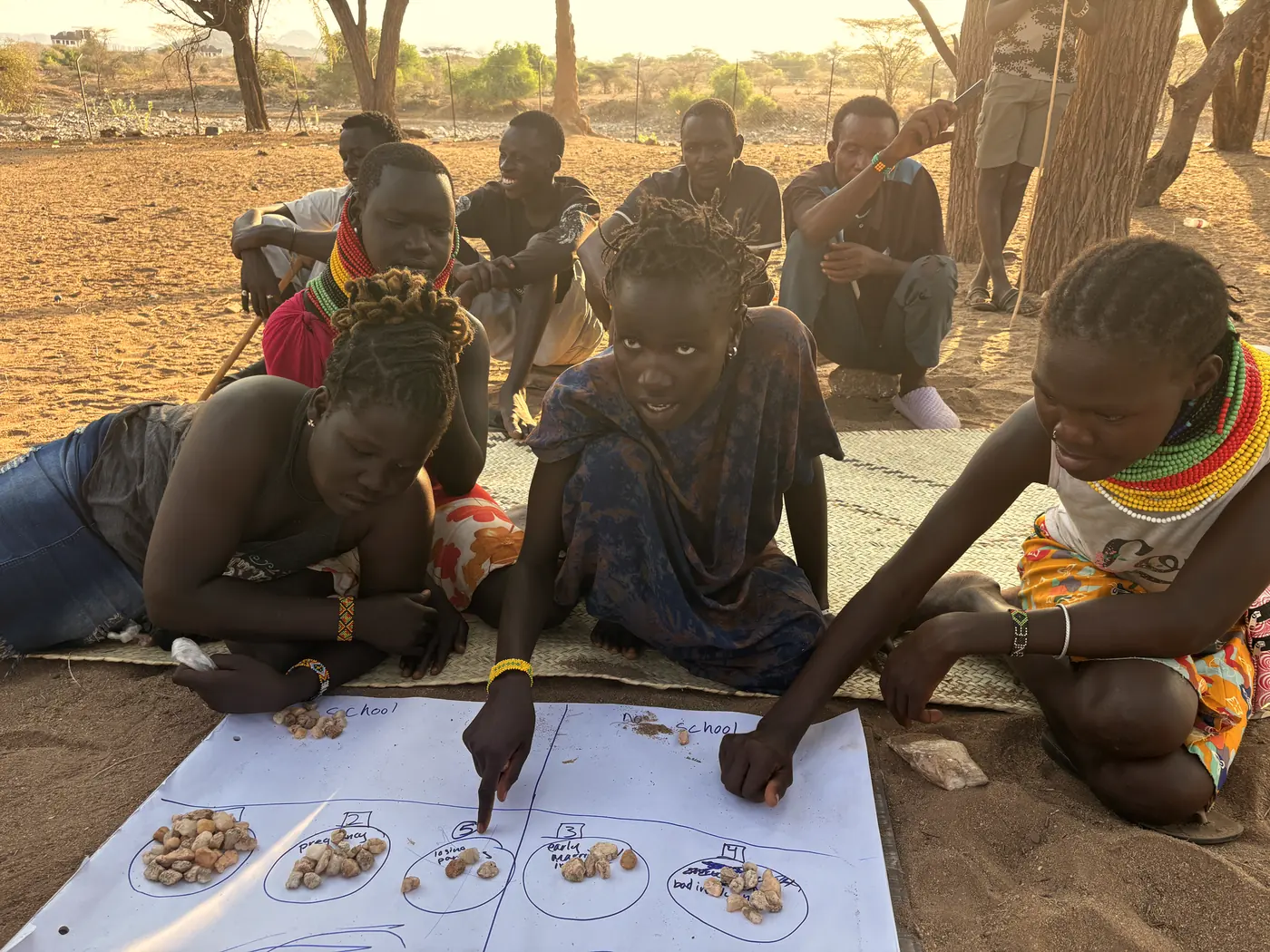
In Lokiriama and Loima, Turkana, we engaged 448 community members, about seven in ten of them women, in the 2026 assessment, in two sub-counties of 41,711 people (Lokiriama) and 107,172 people (Loima). We report both numbers so the study isn’t overstated.
How an assessment works
- Train local researchers
A four-day training: classroom instruction, supervised field practice and hands-on data analysis, ending in certification.
- Listen with the community
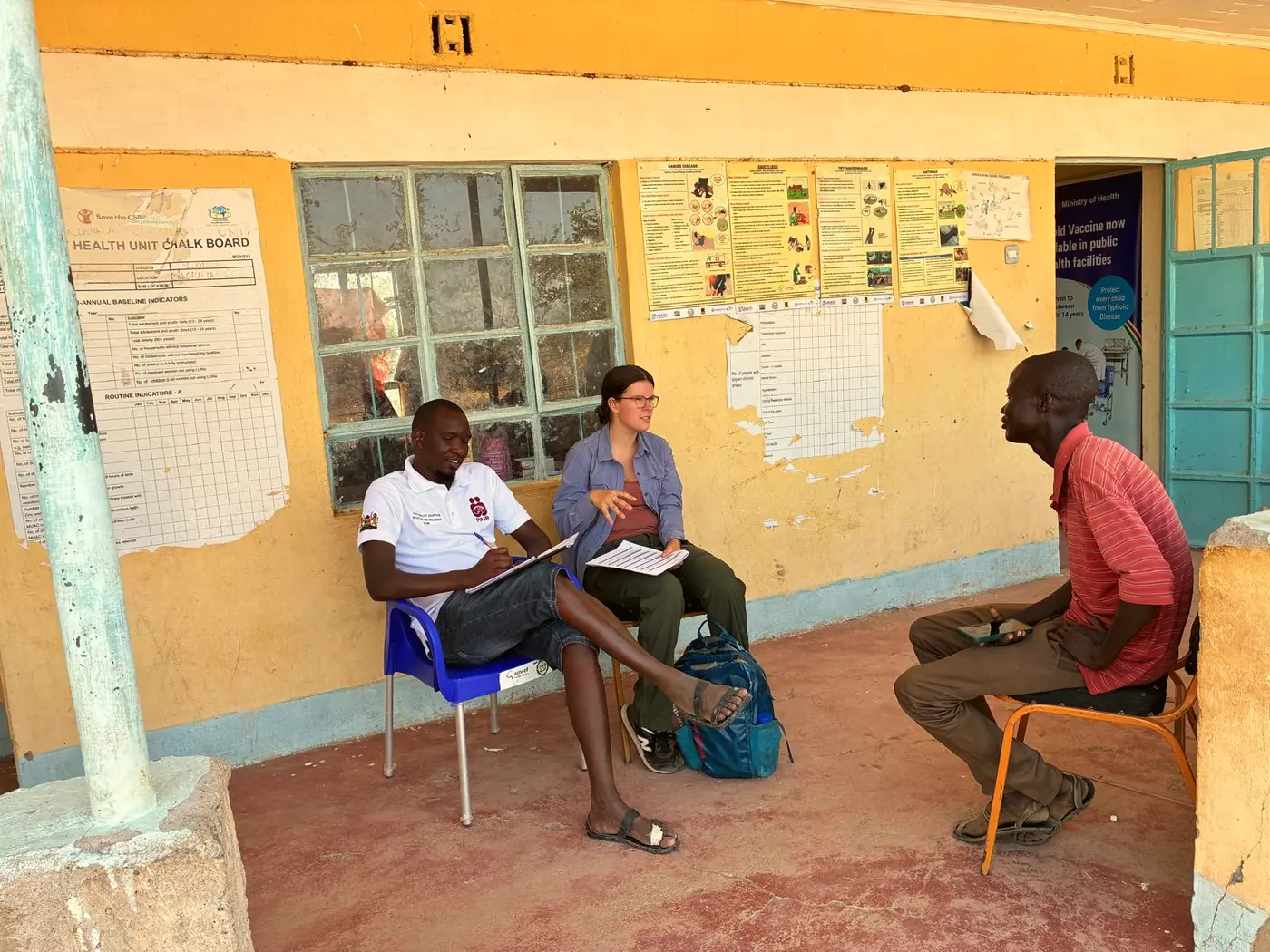
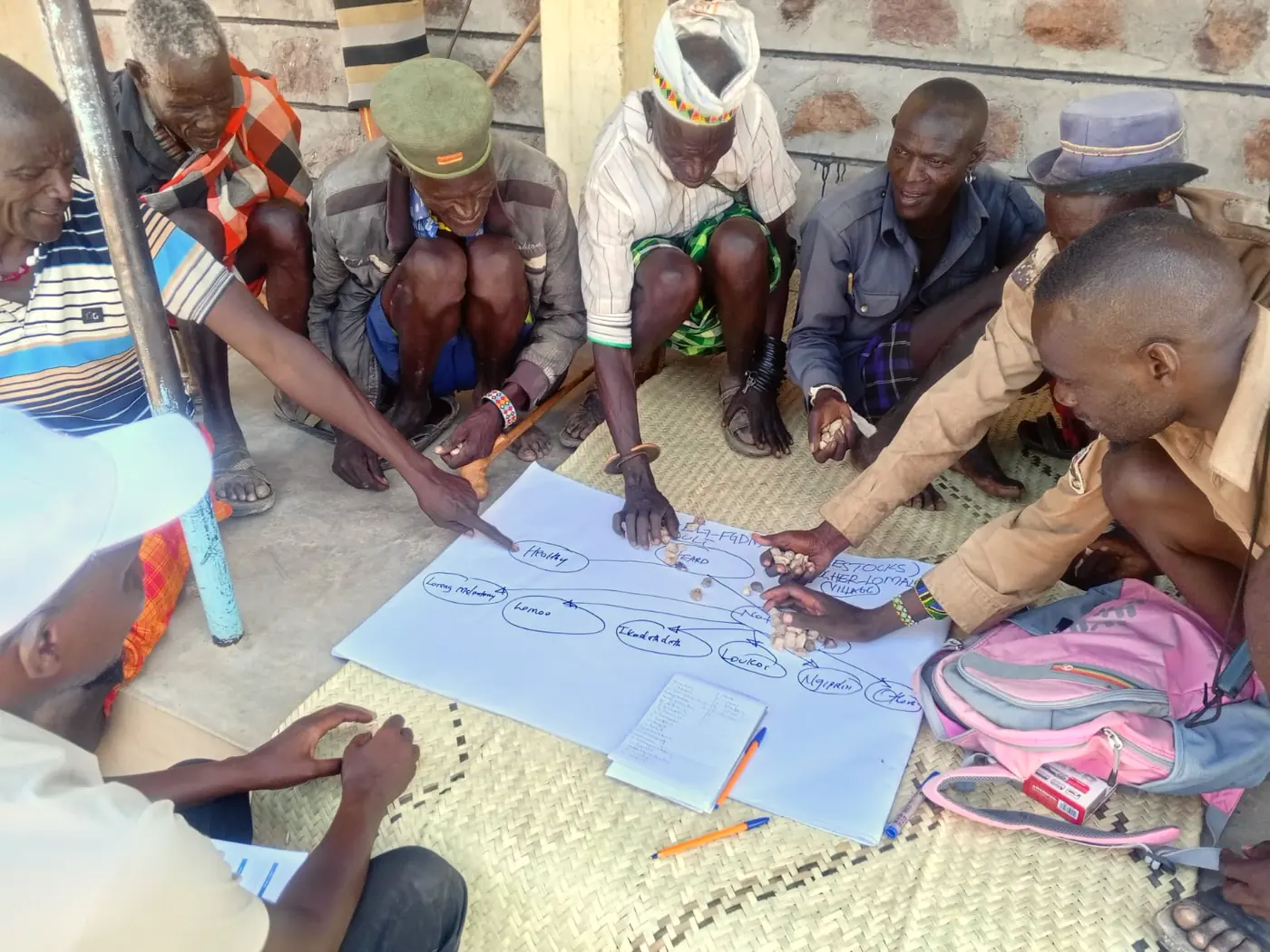
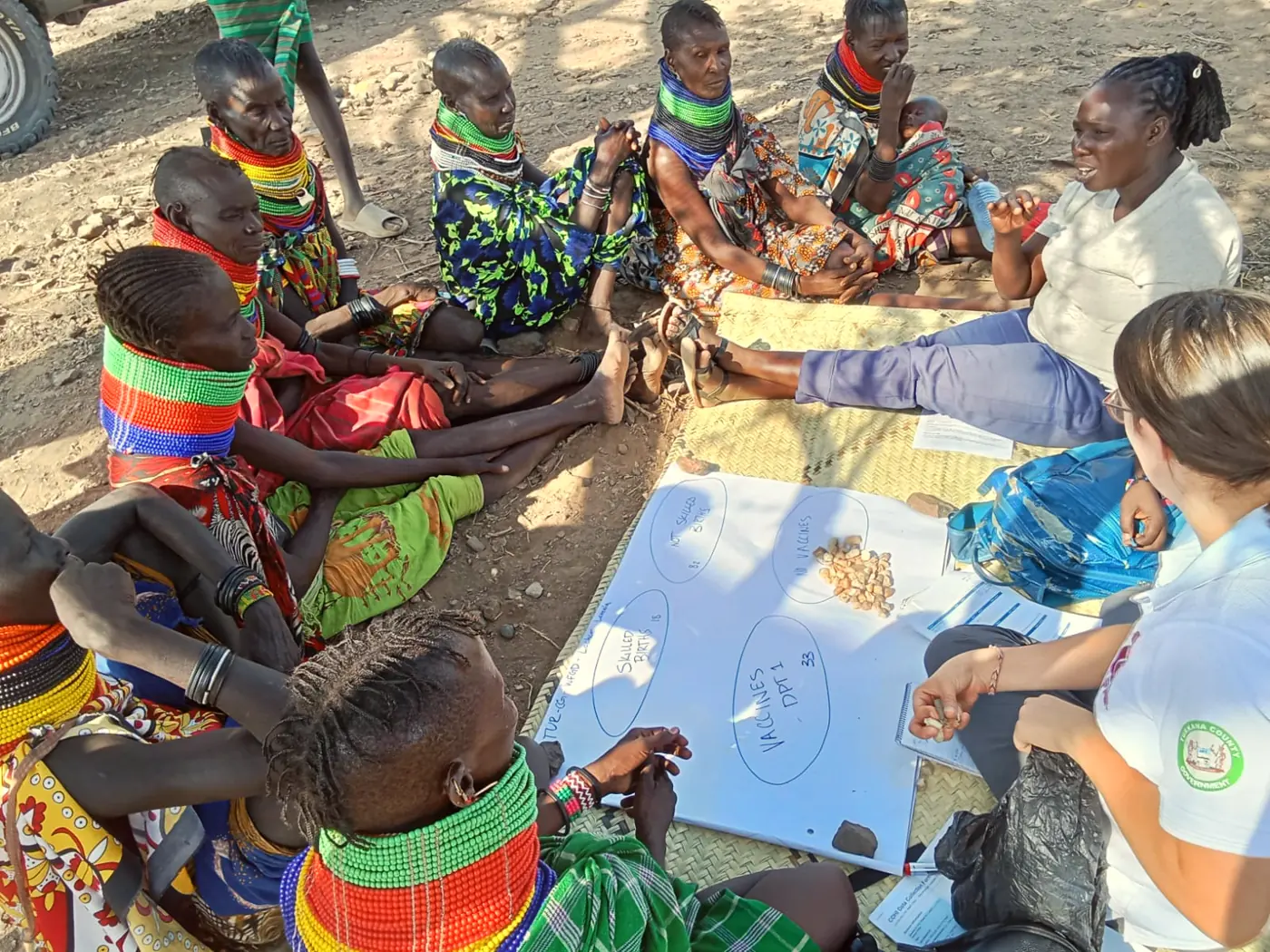
The same COHI indicators are used in Turkana and Marsabit, so results can be compared across sites. Focus groups, key informant interviews, transect walks and the rCSI nutrition survey, using participatory epidemiology. Focus groups include equal numbers of women and men, and household surveys centre women.
- Share the findings back
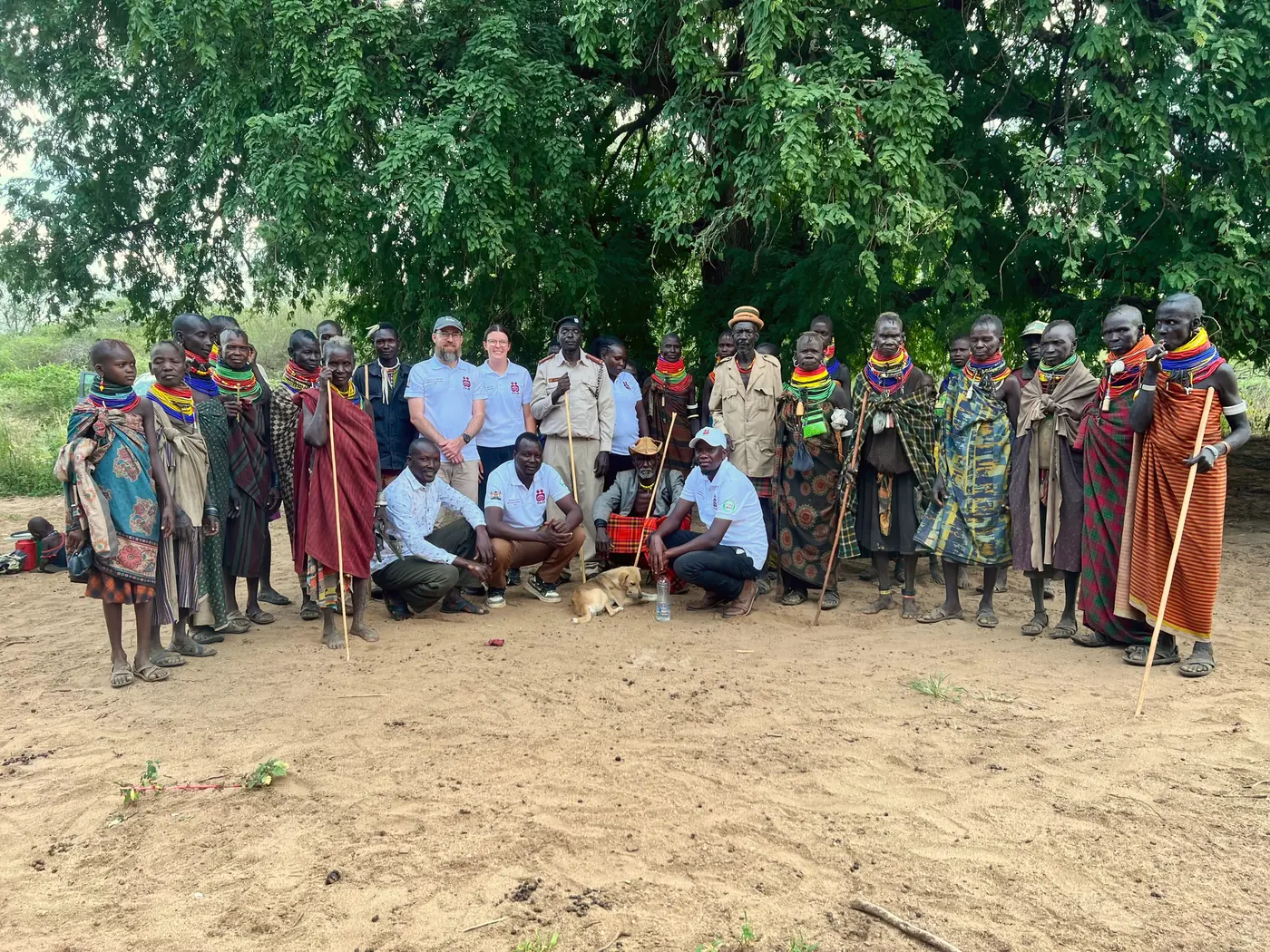
Results go to the village administrator and back to the community during barazas, as “these are our priorities”.
- Act, then measure again
Findings shape what PAIR does next, and repeated assessments show whether it made a measurable difference.
What we found in Turkana, 2026
Between July and August 2026 we completed COHI assessments in seven settlements in Turkana County, including permanent villages and mobile herding settlements (adakar and arumrum): Lokiriama Centre, Peiteni, Komio, Kangikukas, Kaekoroe-akwan, Nayanae-Atulelo and Nakorokumae. These findings stand out:
- Food security was the weakest domain. Households in all seven settlements relied on coping strategies such as skipping meals and eating less preferred foods at levels commonly classified as crisis.
- Preventable diseases are killing the livestock communities depend on most. Sheep and goats are the priority livestock in every settlement, and three vaccine-preventable diseases dominated their disease burden. Contagious caprine pleuropneumonia (CCPP) ranked as the top disease of adult animals in five settlements, peste des petits ruminants (PPR) was reported in all seven, and enterotoxaemia ranked first among young animals in five, killing about one in five. Yet six of seven settlements reported no livestock vaccination in the past year.
- Children are dying of preventable diseases far from care. Measles was the leading childhood illness in five of seven settlements, and pneumonia ranked among the top three in all seven. Five of seven health facilities lacked a reliable supply of medicines, and four could not reliably keep vaccines cold.
- School enrolment is low and uneven. Rates ranged from almost zero in one settlement to about half of children in others, and girls were enrolled at lower rates than boys in five of the seven settlements.
- Women in Peiteni are ready to farm. They have the seeds, tools and knowledge to grow sorghum, but no water to farm it in the dry season.
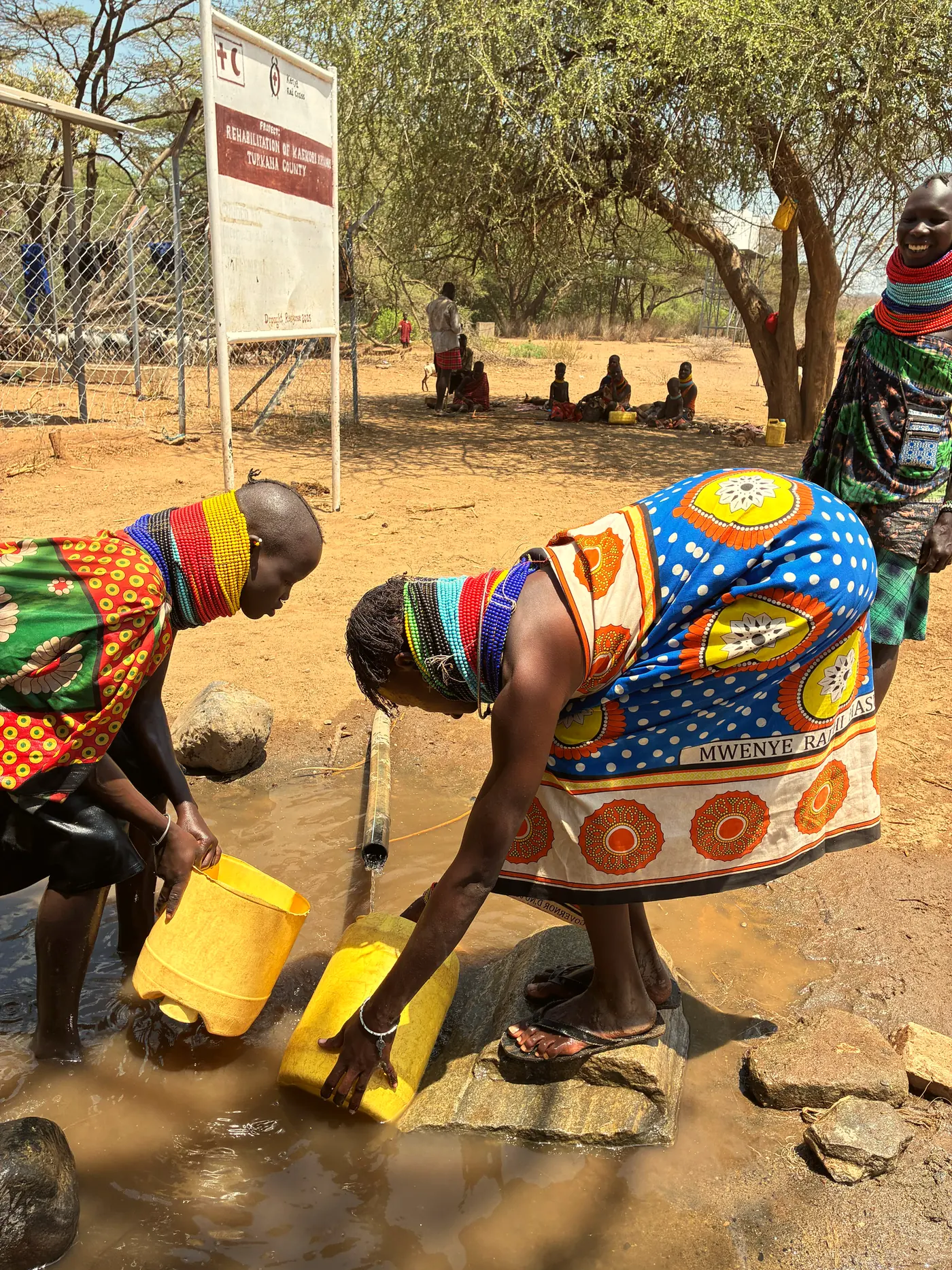
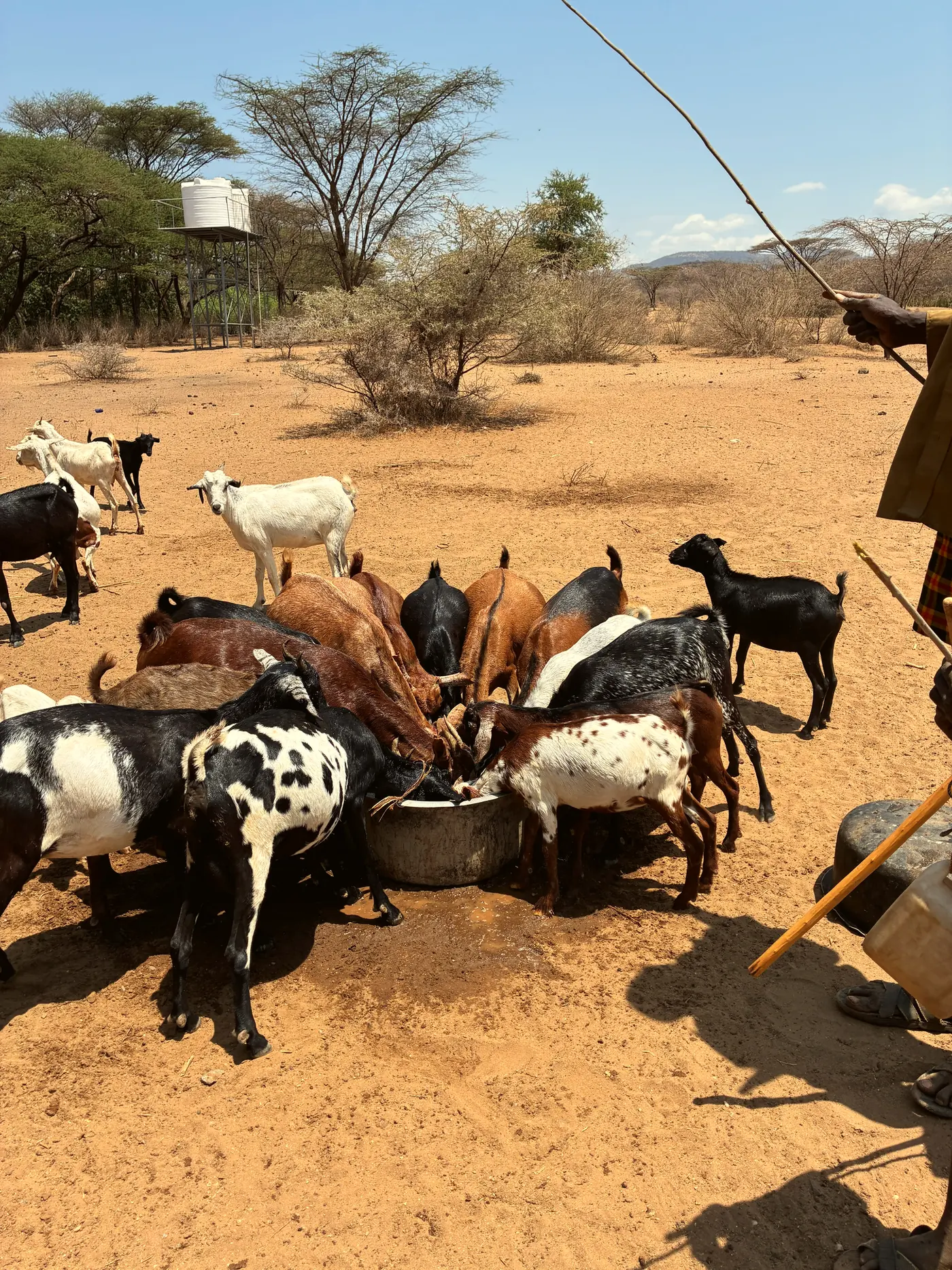
These results are preliminary. Full findings will follow as the validation study continues in Marsabit County and Ethiopia’s Afar Region.
From findings to action
Finding
Low school enrolment, especially for girls. Communities named education as critical.
Action · running
The PAIR Education Scholarship, launched August 2026.
Finding
Three vaccine-preventable diseases, CCPP, PPR and enterotoxaemia, are the leading threats to sheep and goats, the priority livestock in every settlement.
Action · planned
A community-led vaccination campaign, with the Turkana County Government, to protect sheep and goats.
Finding
Four of seven health facilities cannot reliably keep vaccines cold.
Action · planned
Solar-powered vaccine refrigeration at health facilities, shared by human and animal health workers.
Finding
Women in Peiteni are ready to farm sorghum but have no water in the dry season.
Action · planned
Water infrastructure for dry-season sorghum farming, to feed families in Lokiriama while most livestock are in the abor, the dry-season grazing areas in Karamoja, Uganda.
Finding
Sanitation. Digging latrines is extremely time- and resource-intensive.
Action · planned
Compostable toilets to improve sanitation.
Training partners to use COHI
In July 2026 we ran the first COHI workshop in Lodwar, sponsored by Tufts University, PAIR and the Turkana County One Health Unit. Representatives of national and county government, universities and local and international organisations were certified to use the tool.
“[My colleagues and I] can integrate this into our thematic areas so as to amplify community voices using COHI.”
Bring COHI to your programme
If you work with pastoralist communities and want to run a COHI assessment or train your team, get in touch and we’ll share the terms of reference for a community COHI assessment.
Request the terms of referenceWomen’s voices, by design
Seven in ten voices in every assessment are women’s.
Gender equity and social inclusion guide our work. Our focus groups include equal numbers of women and men, and our household surveys centre women.
- 448community members engaged in COHI assessments in Lokiriama and Loima, Turkana, in 2026, across seven settlements. About seven in ten were women. The two sub-counties have 41,711 and 107,172 people.
- 320participants targeted in the next assessment, starting in North Horr, Marsabit County.
- 30members of the Akwanga Self Help Group run the solar mill in Natoot.
- 1PAIR scholar so far, with many more to come.
Women play a critical role in household food security and nutrition.
That is why our household surveys centre them.