Pastoralist Adaptive Initiatives for Resilience
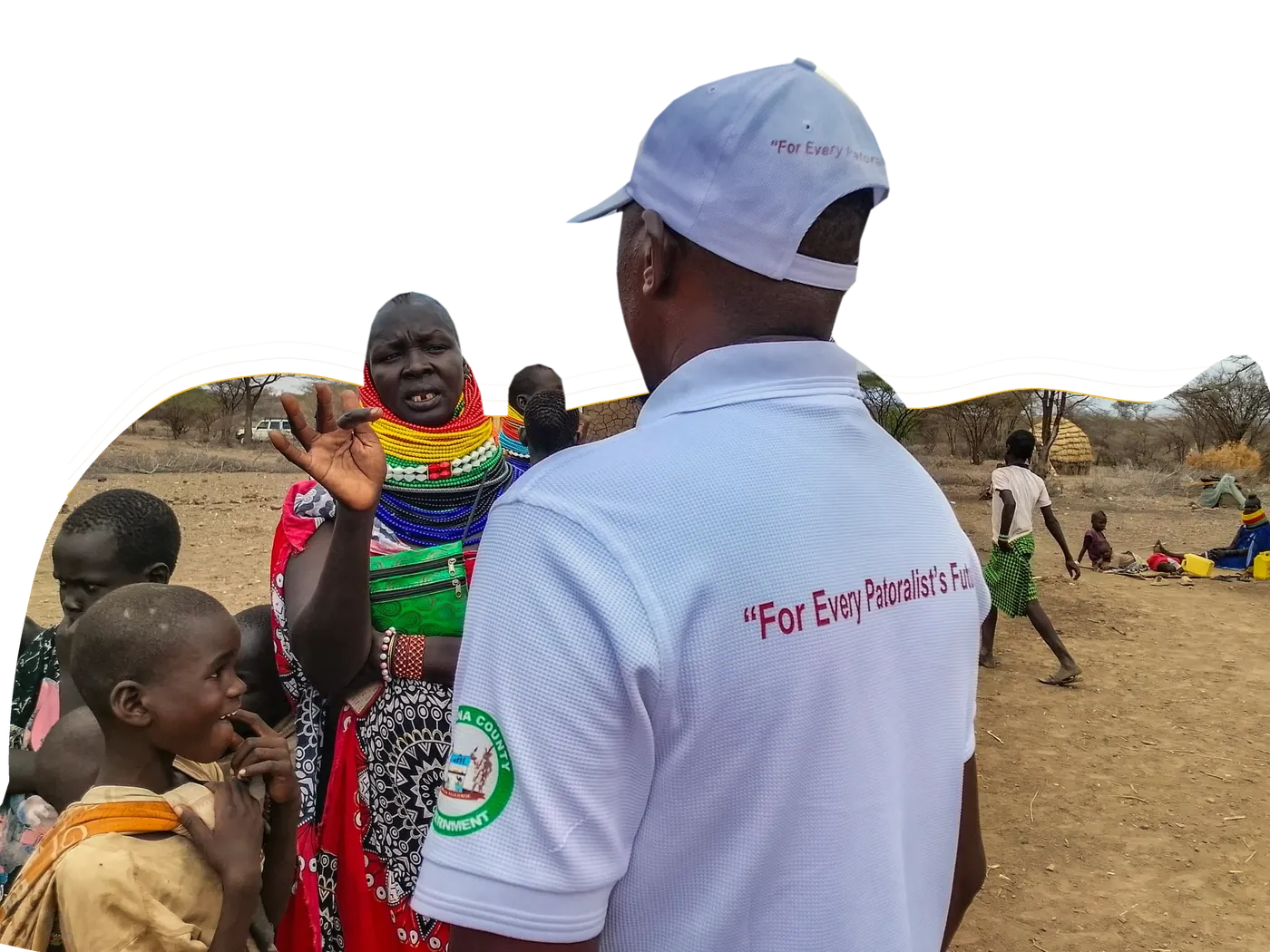
For every pastoralist’s future.
Our mission
PAIR partners with pastoralist communities through participatory research to transform local priorities into solutions that fight hunger, improve health and well-being, promote equity and strengthen livelihoods.
in practice
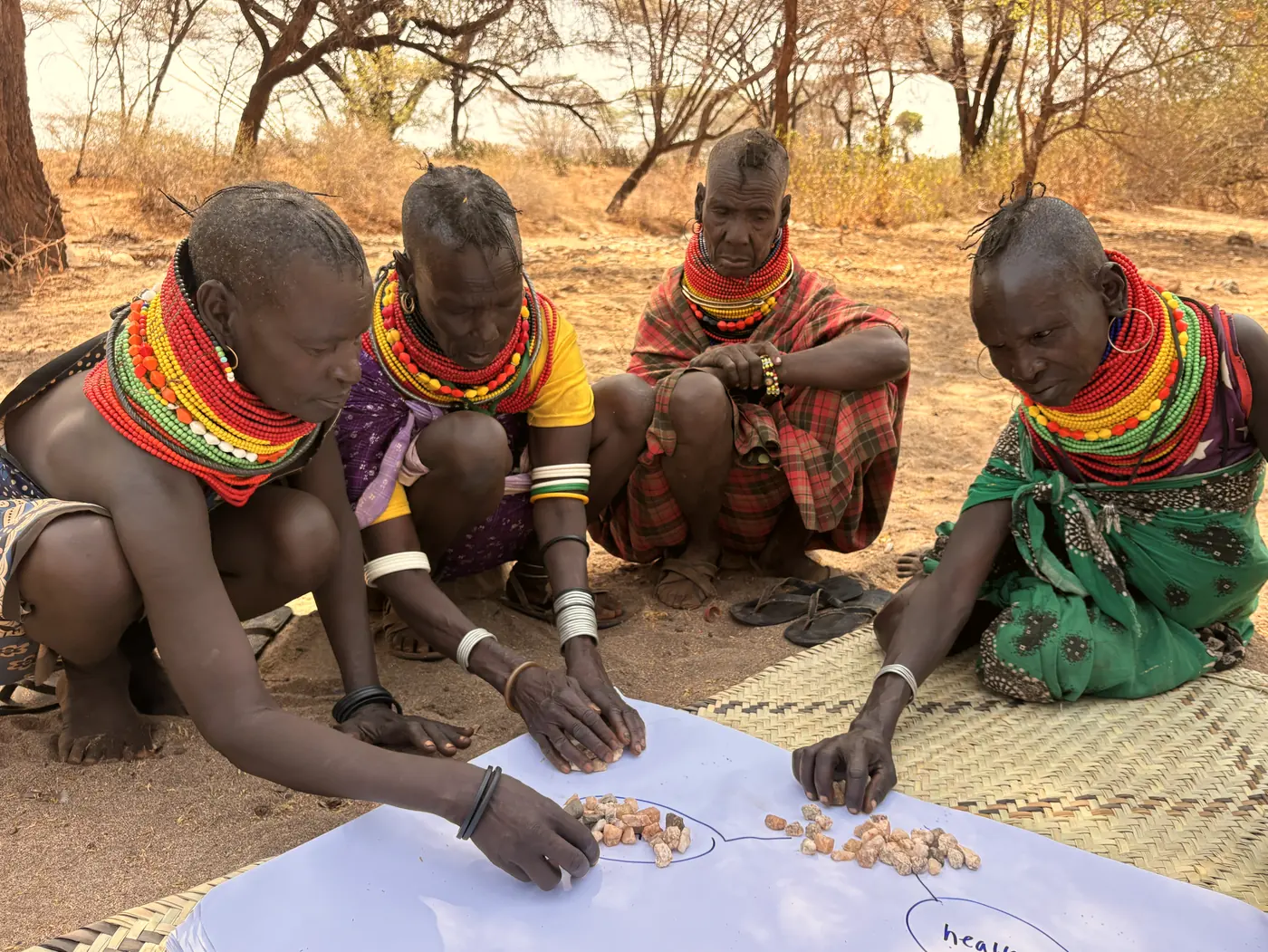
Women rank who was sick and healthy in the past year · Peiteni Adakar · Photo: Ava Van Gelder
Our vision
A future where pastoralist communities live with dignity, grow in resilience and open pathways to opportunity, anchored in equality and shared humanity.
How we workHow we work
We don’t start with a programme. We start by listening.
Here’s what that looked like in Lokiriama, Turkana: from a focus group, to a finding, to a young woman back in education.
-
1
Listen
Communities set the measures
In 2025 our Community One Health Index (COHI) research asked people in Lokiriama what health and well-being mean to them. Diana’s mother was in one of the focus groups.
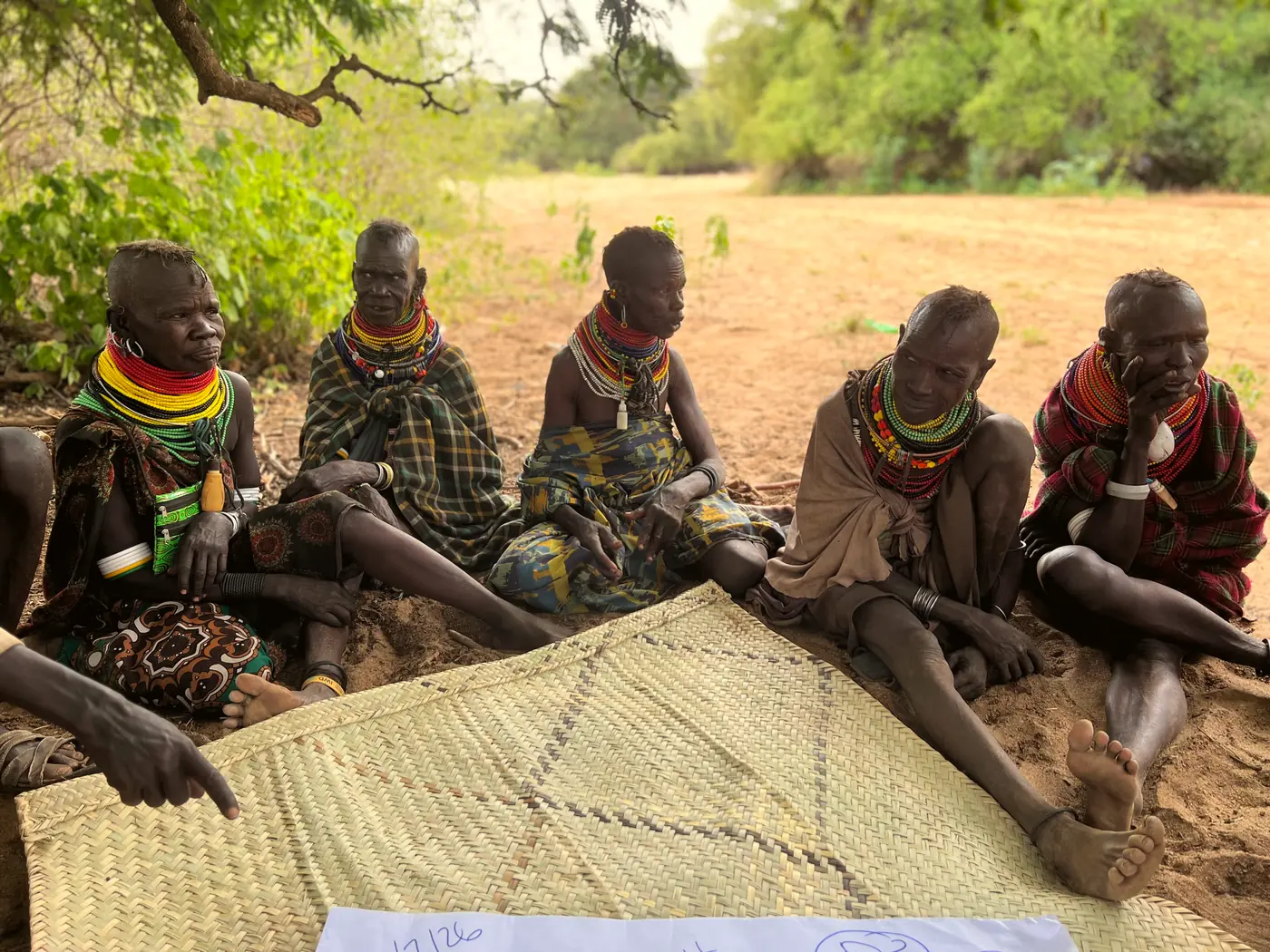
A COHI women’s focus group · Komio, Turkana -
2
Find the priority
Education came out on top
Community members, especially women, named education as critical. School enrolment in Lokiriama was just:
18.6% of girls
26.2% of boys
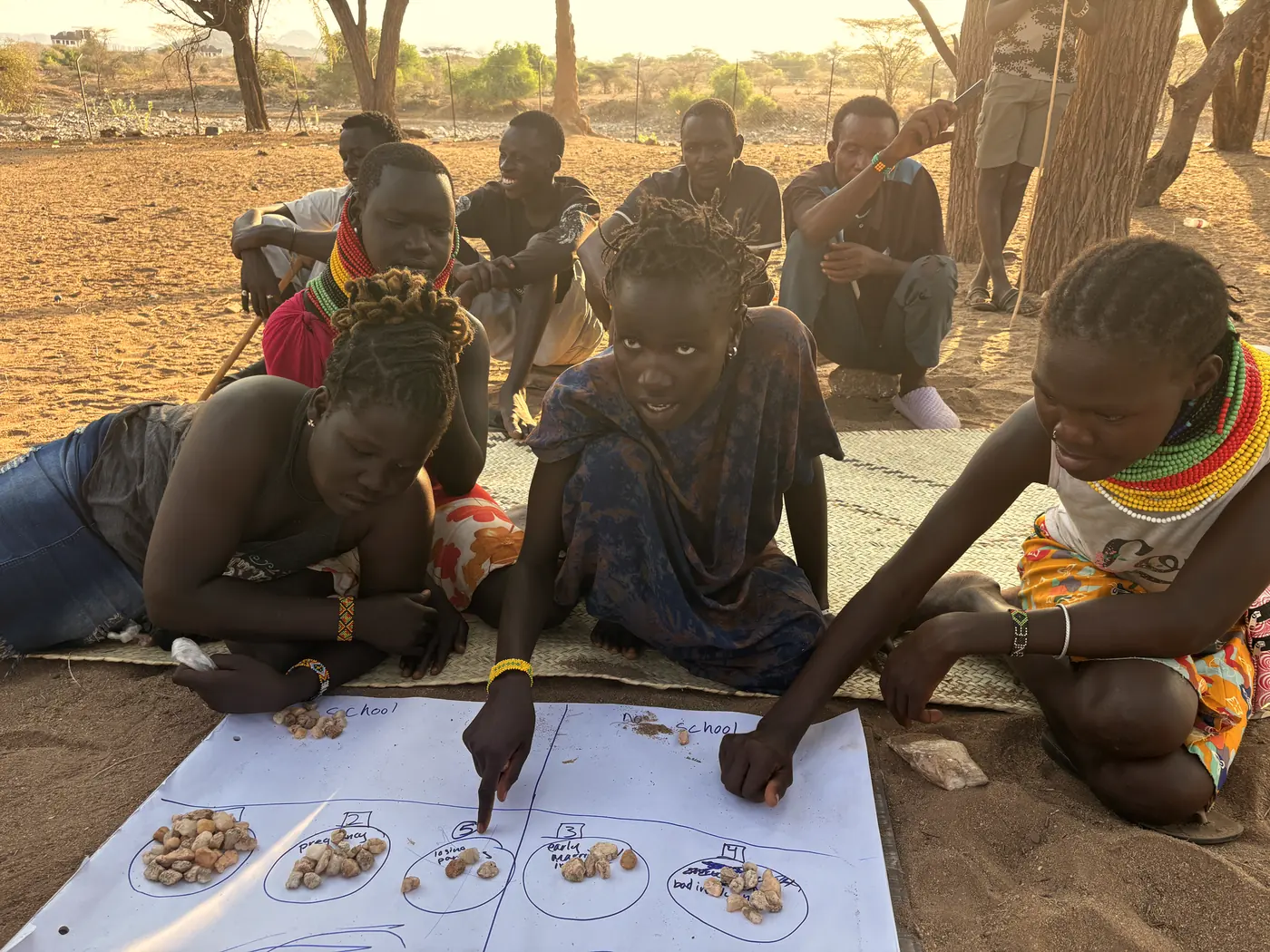
Women use stones to show how many girls are in school, and rank the reasons why · Lokiriama Centre · Photo: Ava Van Gelder -
3
Act
The PAIR Education Scholarship
In August 2026 we launched an end-to-end scholarship. Diana Lokol, 20, from Kopeto Village, is our first scholar. Her dream: a Diploma in Community Health Sciences.
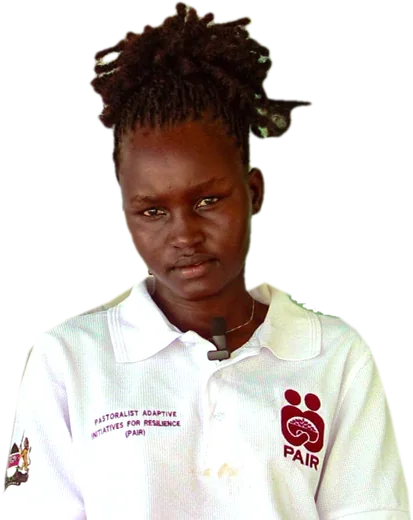
Our first scholar.
Many more to come. -
4
Measure again
Did it make a difference?
Repeated COHI assessments track whether investments like this lead to measurable improvements over time, and the findings go back to the community at barazas.
How COHI works
Where we work
Turkana and Marsabit. Starting where people asked us to.
We work from offices in Lodwar and Ngong, with communities in Kenya’s arid and semi-arid lands. New places come as communities invite us and funding allows.
Our flagship initiatives
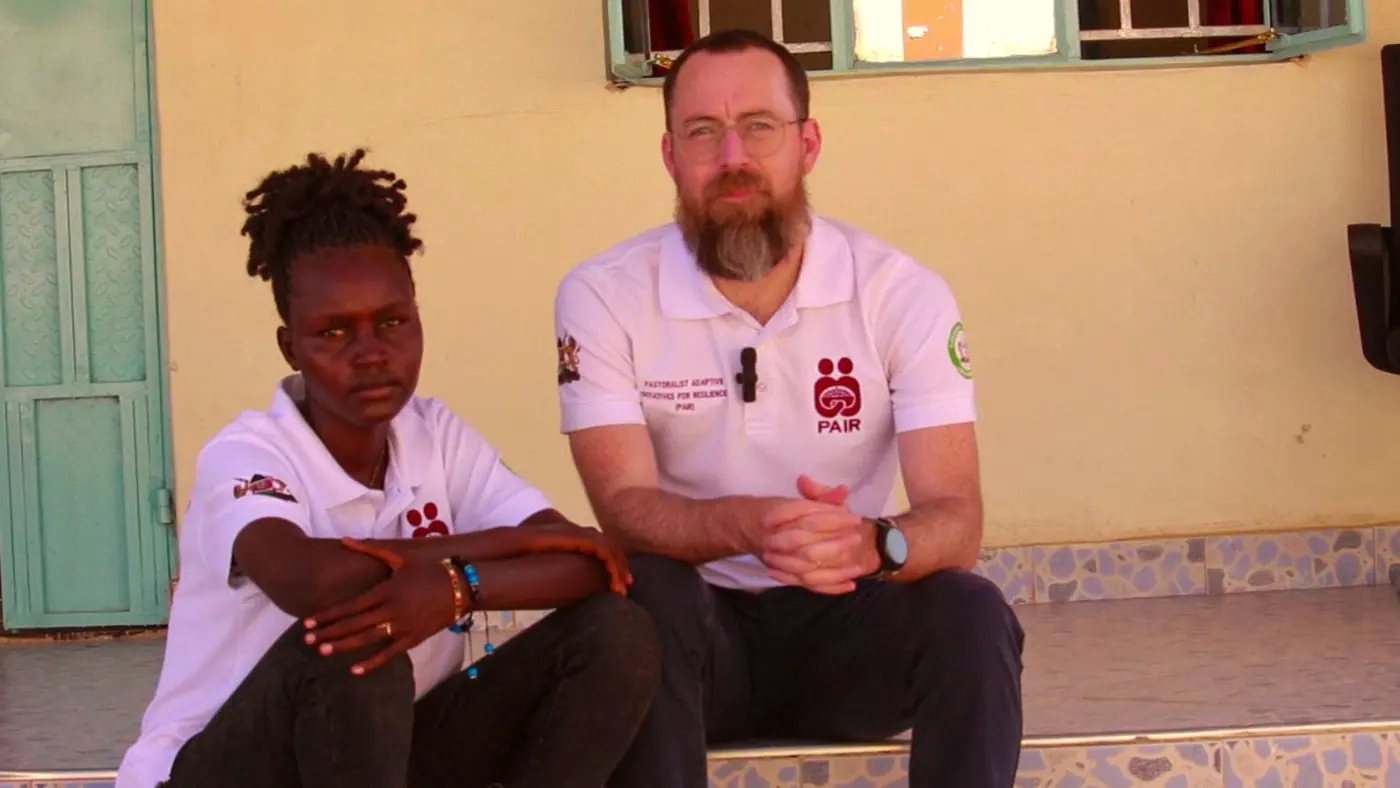
Education today, resilience tomorrow.
End-to-end support for pastoralist girls and boys from primary school to university, with mentorship and a path back into their communities.
Read about the scholarship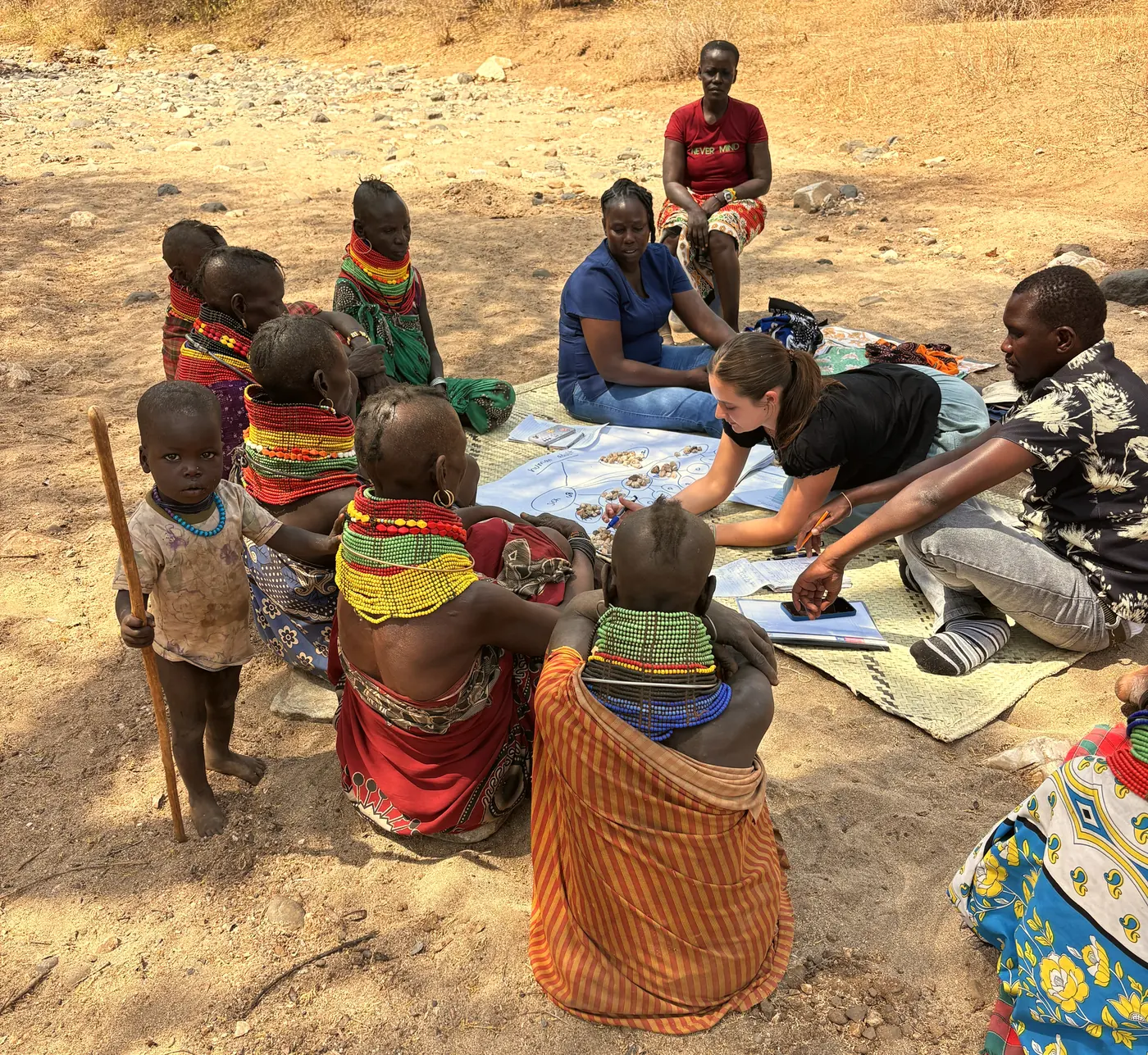
The Community One Health Index
A participatory tool that measures the health of people, livestock and dryland ecosystems against goals communities define themselves.
See the 2026 findingsWomen’s voices, by design
Seven in ten voices in every assessment are women’s.
Gender equity and social inclusion guide our work. Our focus groups include equal numbers of women and men, and our household surveys centre women.
- 448community members engaged in COHI assessments in Lokiriama and Loima, Turkana, in 2026, across seven settlements. About seven in ten were women. The two sub-counties have 41,711 and 107,172 people.
- 320participants targeted in the next assessment, starting in North Horr, Marsabit County.
- 30members of the Akwanga Self Help Group run the solar mill in Natoot.
- 1PAIR scholar so far, with many more to come.
Women play a critical role in household food security and nutrition.
That is why our household surveys centre them.
Also in the field
Reducing distance. Improving income.
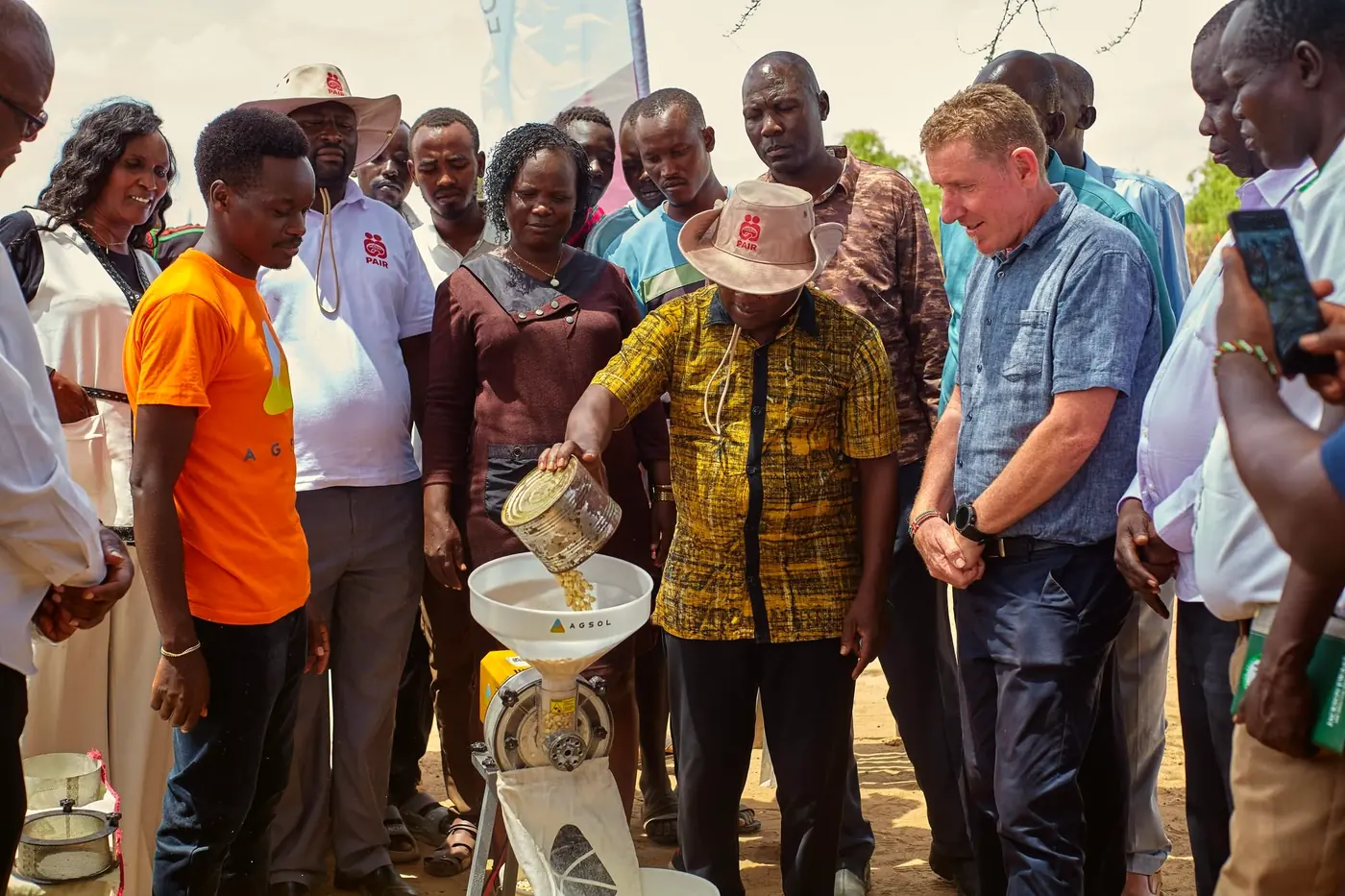
In Natoot village, the Akwanga Self Help Group runs a solar milling service through PAIR’s partnership with Agsol. Families can now mill closer to home: less travel, lower costs, more income.
The solar mill in NatootSolar milling, Natoot
Run by 30 members of the Akwanga Self Help Group since April 2026.
COHI in North Horr
Our next assessment, in Marsabit County: 320 participants targeted.
Compostable toilets
A COHI finding on sanitation: compostable toilets instead of pit latrines, which take far more time and resources to dig.
Highlights from the field
Notes from Turkana.
Writing and updates from our team, in the places where the work happens. All highlights
Turkana… again
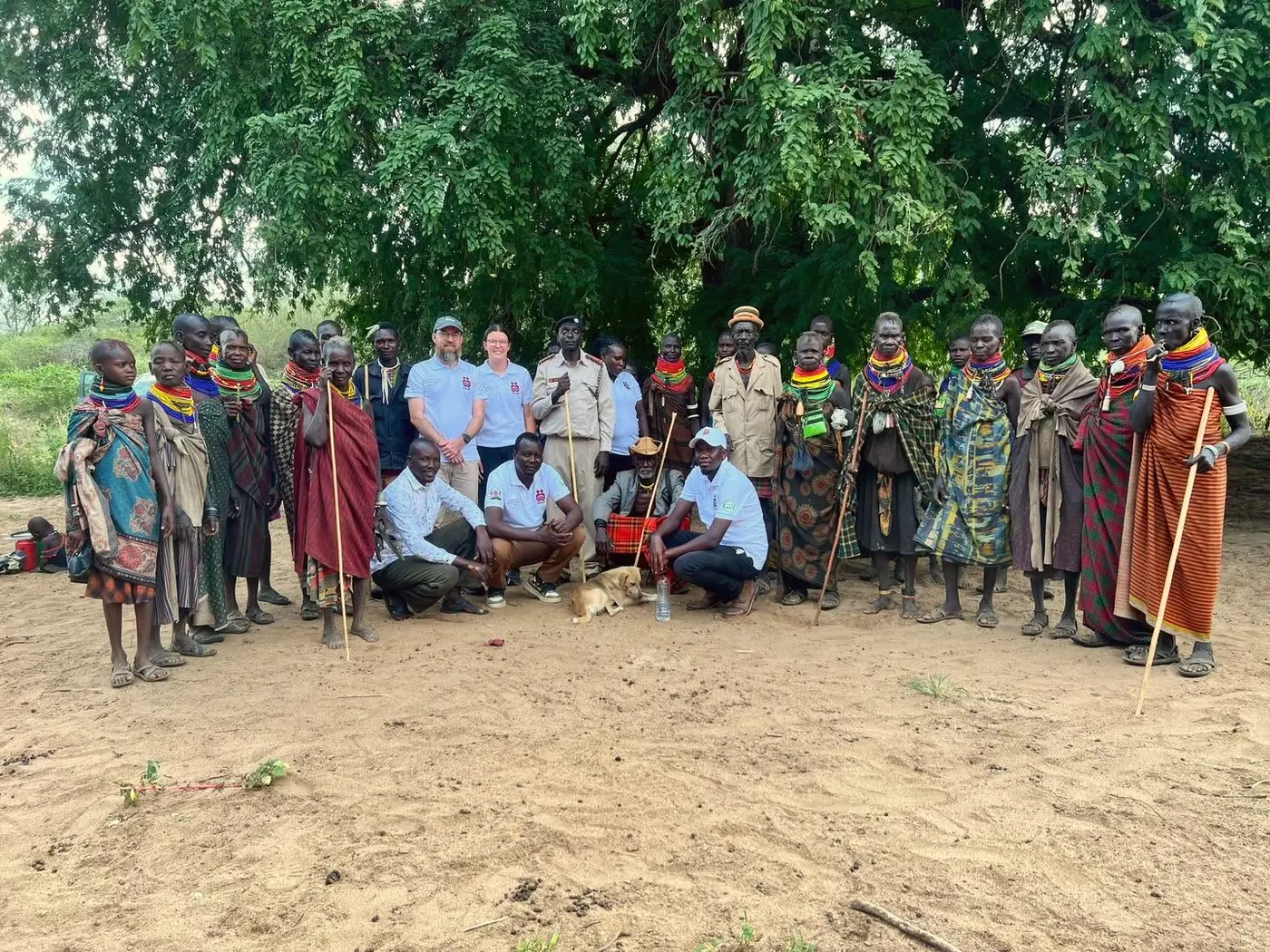
Dr. Evan Griffith on three weeks of COHI fieldwork in Lokiriama with the mobile settlement of Arumrum Alokir Ewoi, near the Uganda border, and why research should be part of change.
Read on Substack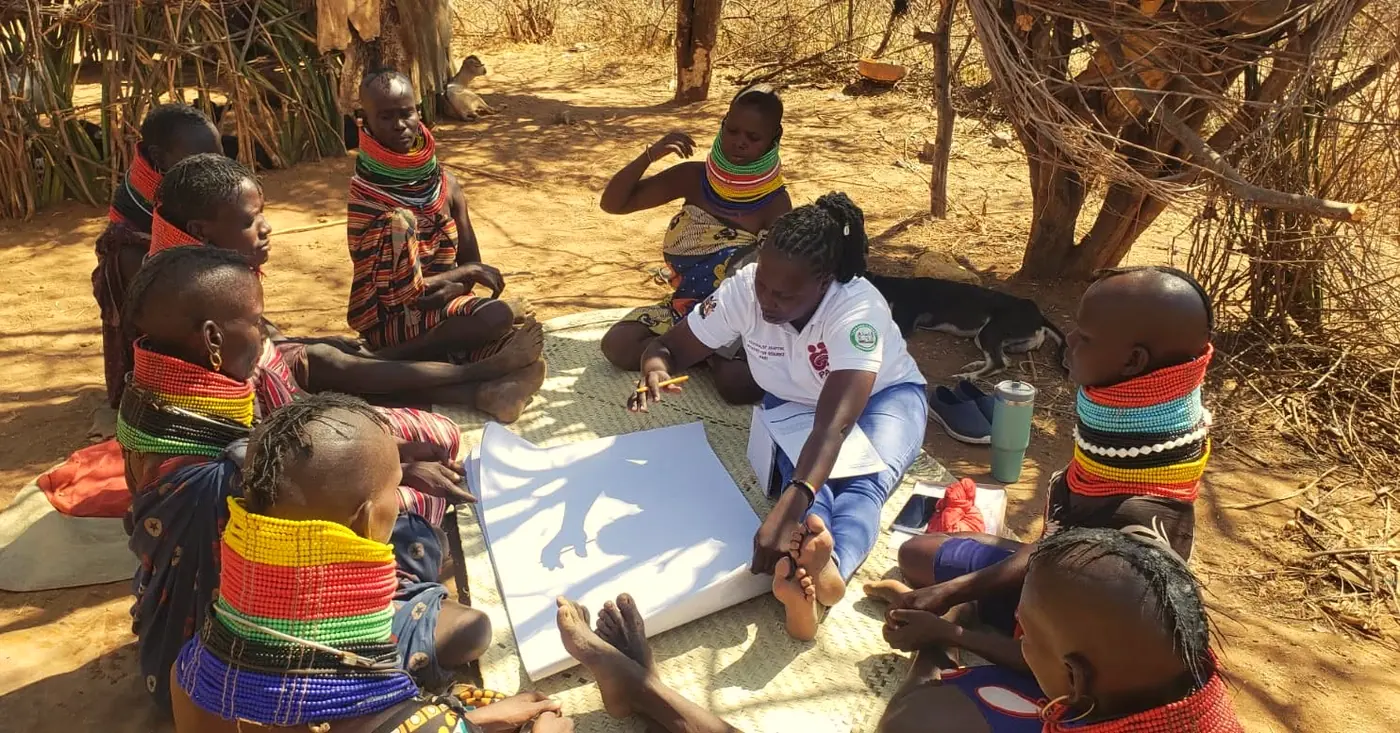
Julieta Kalale, Community Researcher
One of our PAIR Community Researchers just earned her Community Health degree at Turkana University College.
Follow the work as it happens.
We post from the field: assessments, trainings, our scholars and the communities we work with.